
Pet enrichment activities give dogs and cats more satisfying ways to use their minds and bodies. A pet can be loved deeply and still feel bored during the day. Many homes are safe and comfortable, but not always interesting from an animal’s point of view. The same rooms, same bowls, same toys, and same routines can become predictable. Enrichment adds healthy variety without making pet care complicated. It gives your furry friend a chance to sniff, search, climb, chase, chew, problem-solve, and relax more fully. The Enrichment Toolkit for Your Furry Friend helps owners make those activities easier to plan. A practical daily pet play routine can reduce restless behavior. Better activity choices can make home life calmer for everyone.
Behavior often improves when a pet’s needs are met more completely. A dog who barks from boredom may need more sniffing, chewing, or training games. A cat who scratches furniture may need better scratching options, climbing spaces, and play that feels like hunting. Pets do not misbehave just to annoy people. They often act from instinct, energy, frustration, or curiosity. Pet enrichment activities redirect those instincts into healthier outlets. A pet enrichment planner helps you match the activity to the behavior you want to support. Calm choices matter too. Not every enrichment session should create excitement. Some should encourage focus, confidence, and rest. That balance makes enrichment more effective.
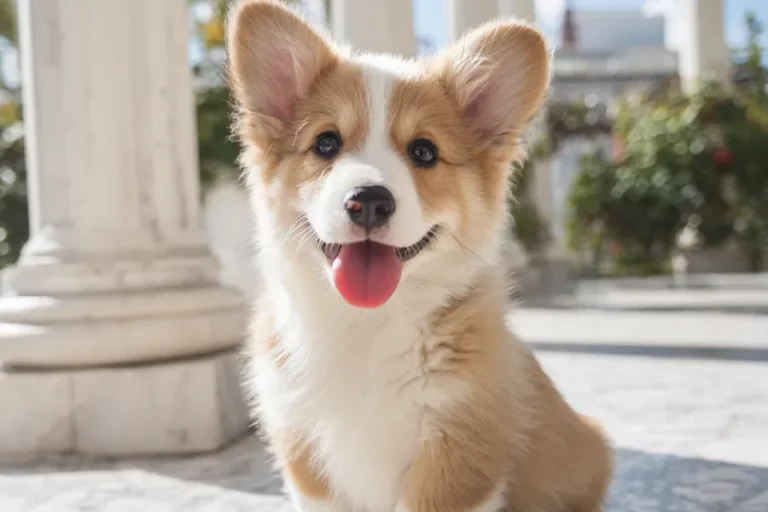
Dogs often benefit from activities that combine scent, movement, chewing, and learning. A sniff walk can be more enriching than a fast walk because it lets the dog gather information. A stuffed chew toy can help satisfy natural chewing needs. A simple hide-and-seek game can encourage problem solving and recall practice. Short training sessions can build focus and confidence. Try placing treats under safe objects and letting your dog investigate. Use boredom busters for dogs when your pet seems restless before evening. Keep difficulty appropriate. A frustrated dog may quit or become overexcited. A successful dog usually looks engaged, curious, and satisfied. Simple dog enrichment works best when it becomes part of normal routines.
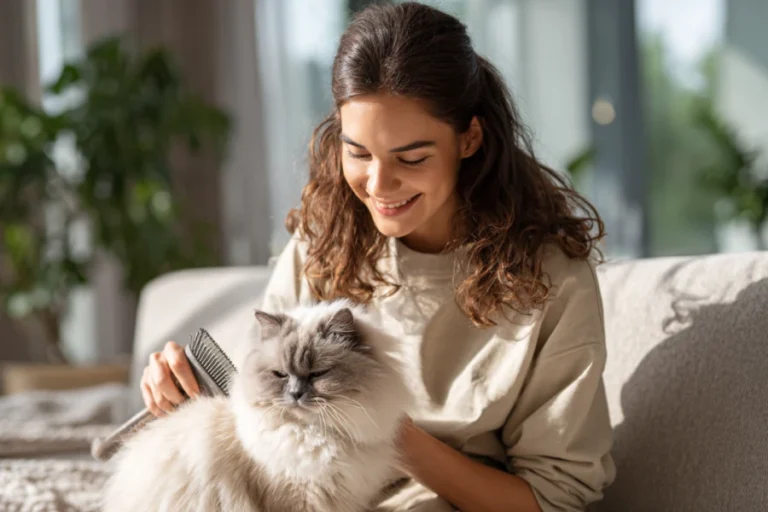
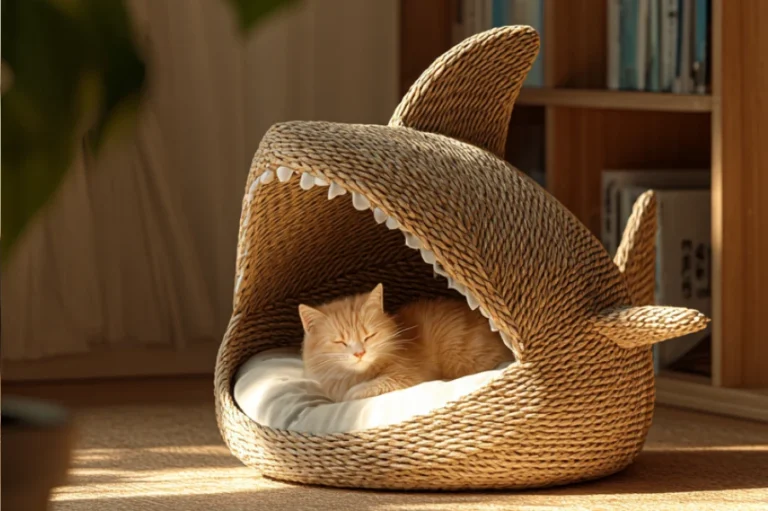
Cats need enrichment that respects their hunting instincts and independent style. Wand toys can create a satisfying stalk, chase, catch, and rest sequence. Puzzle feeders can turn mealtime into a search. Window perches can provide safe visual stimulation. Cardboard boxes, tunnels, paper bags without handles, and vertical spaces can make indoor life more interesting. Use cat enrichment games in short sessions because many cats prefer bursts of activity. Let your cat win the game by catching the toy sometimes. End with a small treat or meal to complete the hunting rhythm. Avoid forcing interaction when your cat walks away. Good cat enrichment feels respectful. It invites participation rather than demanding it.
Food-based enrichment is useful because it fits into something pets already do every day. Instead of placing every meal in a plain bowl, add small challenges. Use a slow feeder, snuffle mat, food puzzle, lick mat, or safe treat search. Hide small portions around a room for your pet to find. Place dry food in a towel fold for gentle problem solving. Cats may enjoy small food stations placed at different heights. Dogs may enjoy sniffing out treats in a safe container game. Choose puzzle feeding ideas that match your pet’s ability. The Enrichment Toolkit for Your Furry Friend can help you build variety without overfeeding. The best food games are simple, safe, and repeatable.
Not every day allows long walks, energetic play, or outdoor adventure. Quiet days still offer plenty of enrichment opportunities. Let your dog sniff a towel that has been safely rubbed on outdoor objects. Create a gentle treat search in one room. Offer a safe chew or lick mat during a calm period. Let your cat explore a new box, soft blanket, paper tunnel, or window view. Use indoor pet activities when weather or schedules limit movement. Add sensory games for pets gradually if your animal is shy. Quiet enrichment can be especially helpful for anxious pets. It supports curiosity without adding too much intensity. A calm pet is still an enriched pet.
A weekly rhythm makes enrichment easier to maintain. You do not need a complicated calendar. Choose a few reliable categories and rotate them. One day can focus on scent. Another can focus on food puzzles. Another can focus on movement, training, or quiet sensory exploration. Keep favorite activities available, but avoid using every option at once. Rotation protects novelty. It also helps you see what your pet actually enjoys. A simple enrichment schedule can prevent boredom from returning. Add pet mental stimulation in small daily portions. With The Enrichment Toolkit for Your Furry Friend, pet enrichment activities become easier, safer, and more enjoyable for both pets and owners.

Leave a comment