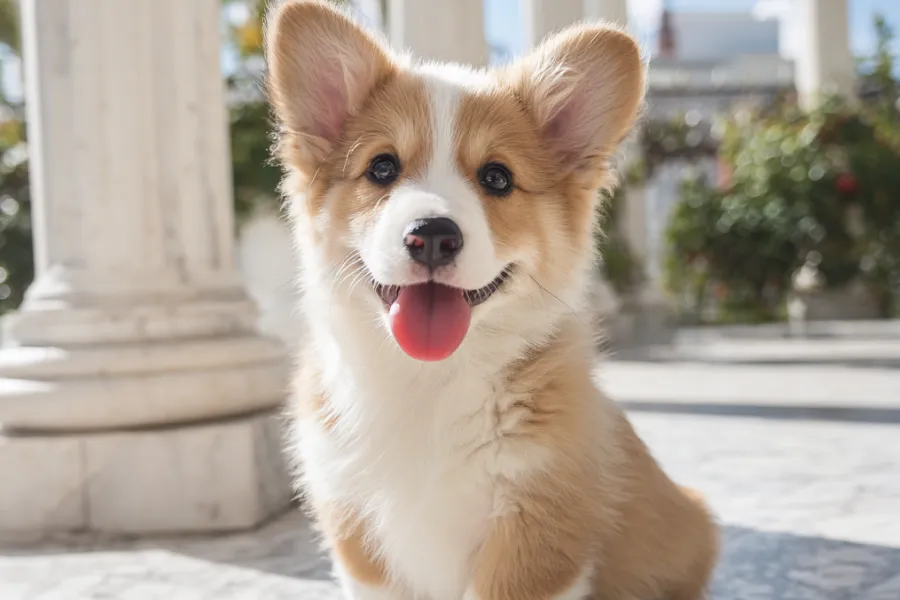
A pet enrichment toolkit helps turn ordinary days into healthier, more satisfying routines for your furry friend. Pets need more than food, water, naps, and affection. They also need chances to sniff, chase, solve, explore, chew, listen, stretch, search, and choose. Without enough mental stimulation, boredom can turn into barking, scratching, restlessness, overgrooming, or attention-seeking behavior. The goal is not to keep pets busy every second. The goal is to give them meaningful activity that fits their natural instincts. The Enrichment Toolkit for Your Furry Friend makes that easier with practical guidance. A simple daily pet play routine can improve calm behavior. With the right plan, enrichment becomes part of everyday care, not another overwhelming task.
Enrichment works because it gives pets healthy outlets for natural behavior. Dogs often need scent work, chewing, movement, training games, and social connection. Cats often need climbing, stalking, pouncing, hiding, scratching, and quiet observation. When these needs are ignored, pets may create their own entertainment. That entertainment is not always convenient for the household. A pet enrichment toolkit gives owners a better way to plan activities before problems appear. It helps you understand what your pet enjoys, what calms them, and what builds confidence. A pet enrichment planner can also prevent repetition. Instead of using the same toy every day, you rotate activities with purpose. That variety keeps your pet interested and emotionally balanced.
Indoor play becomes more valuable when it has structure. A few minutes of thoughtful activity can do more than a long session of random excitement. Try hiding treats around a safe room so your pet can search. Use a towel roll, snuffle mat, or puzzle feeder to slow eating and encourage problem solving. Invite your dog to practice simple cues before dinner. Let your cat chase a wand toy in short bursts that mimic hunting. Use indoor pet activities when weather, schedules, or small spaces limit outdoor movement. Keep sessions short enough to end while your pet still feels successful. This protects enthusiasm and prevents overstimulation. Good indoor enrichment feels playful, safe, and manageable.
Food is one of the easiest enrichment tools because most pets already care about it. Instead of serving every meal in a bowl, use feeding time as a chance for mental work. Scatter kibble across a mat, hide small portions in safe containers, or use a slow feeder. Dogs may enjoy sniffing out treats under cups or inside cardboard tubes. Cats may enjoy hunting small portions placed around vertical spaces. Choose puzzle feeding ideas that match your pet’s size, age, and confidence. Start easy, then increase difficulty gradually. Frustration is not enrichment. Success should be reachable. The Enrichment Toolkit for Your Furry Friend helps owners make feeding more engaging without making routines complicated.
Sensory enrichment gives pets new information to explore. Smell, sound, texture, temperature, and safe visual variety can all make a day more interesting. A dog may enjoy a sniff walk where the goal is exploration, not distance. A cat may enjoy a window perch with bird activity outside. Some pets like crinkly tunnels, cardboard boxes, textured mats, safe herbs, or rotating blankets with familiar scents. Use sensory games for pets gently, especially with sensitive animals. New experiences should feel curious, not frightening. Watch body language closely. Loose posture, soft eyes, and willing engagement usually signal comfort. Retreat, tension, or avoidance means the activity needs adjustment. Good sensory enrichment builds confidence by letting pets investigate at their own pace.
Rotation keeps enrichment fresh without requiring constant shopping. Many pets lose interest when every toy is available all the time. Store some toys away and bring them back later. Rotate chew items, puzzle feeders, scent games, climbing areas, and training sessions across the week. A dog may enjoy scent work on Monday, a chew session on Tuesday, and a short training game on Wednesday. A cat may enjoy wand play, box exploration, window time, and food puzzles on different days. Use pet mental stimulation as a weekly rhythm rather than a daily scramble. Keep notes on what works. If your pet becomes too excited, choose calmer activities next time. Enrichment should improve the household mood, not create more pressure.
Long-term enrichment works best when it fits your pet’s personality and your real schedule. A high-energy dog may need more movement before puzzle work. A nervous cat may need quiet exploration before active play. A senior pet may enjoy slower scent games and softer textures. A young pet may need short sessions with clear boundaries. The best pet enrichment toolkit respects those differences. It helps you choose activities that support calm behavior, confidence, and connection. Use boredom busters for dogs and gentle cat-friendly options with intention. Add an enrichment schedule so care stays consistent. With The Enrichment Toolkit for Your Furry Friend, daily play becomes more thoughtful, more rewarding, and easier to repeat.



Leave a comment