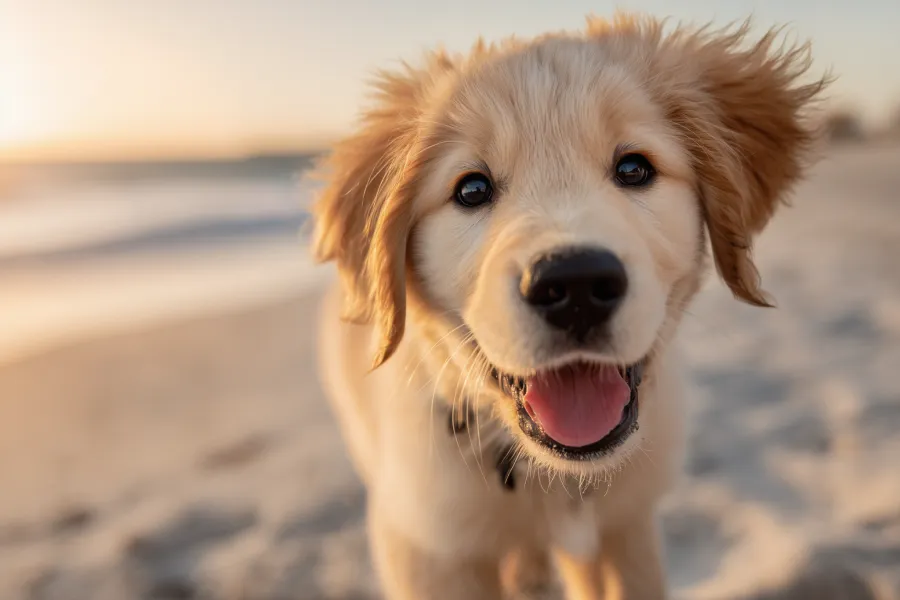
Dog and cat enrichment ideas help pets enjoy fuller, more balanced lives inside the home. Dogs and cats have different instincts, but both need more than passive comfort. Dogs may crave scent work, chewing, training, exploring, and social play. Cats may crave climbing, stalking, pouncing, scratching, hiding, and observing. When these needs go unmet, pets may seem needy, bored, destructive, restless, or withdrawn. Enrichment gives those instincts a healthy outlet. It also helps owners build more connected routines. The Enrichment Toolkit for Your Furry Friend supports that process with practical guidance. A thoughtful pet enrichment planner can make daily care feel easier. With better activity choices, home becomes more interesting for every furry friend.
Dogs and cats experience the home differently from humans. A clean room may look peaceful to you, but it may feel predictable to an energetic pet. A quiet afternoon may feel relaxing to you, but it may feel under-stimulating to an animal with strong instincts. Enrichment adds healthy novelty to that environment. It gives pets choices, challenges, textures, scents, movement, and rewards. Dog and cat enrichment ideas also help prevent the habit of relying only on toys. A toy is useful, but the way it is used matters more. A daily pet play routine gives those tools structure. Pets often behave better when they feel mentally satisfied. Enrichment supports both happiness and household harmony.
Mealtime is one of the easiest places to begin. Dogs and cats naturally work for food in different ways, so bowls can feel too passive. Dogs may enjoy snuffle mats, slow feeders, treat trails, or simple scent searches. Cats may enjoy small food portions hidden around the room, puzzle feeders, or elevated feeding spots. The key is matching the challenge to the pet. A confident dog may enjoy a harder puzzle. A cautious cat may need something very simple at first. Use puzzle feeding ideas to turn routine meals into useful mental exercise. Watch your pet’s body language. Engagement should look curious, not stressed. Food enrichment works best when it feels rewarding from the beginning.
Movement enrichment should match the animal’s body, age, and personality. A young dog may enjoy short training games mixed with play. A senior dog may prefer slow sniff walks and gentle searching. A playful cat may love wand toy chases in short bursts. A quieter cat may prefer climbing, perching, and watching movement from a safe spot. Avoid assuming that all pets need the same activity level. Good movement builds confidence without creating frustration. Use canine enrichment toys for dogs who need more focused physical outlets. Add a feline enrichment routine for cats who need predictable play. Movement should end with satisfaction, not overstimulation. Short, well-designed sessions often work better than long chaotic ones.
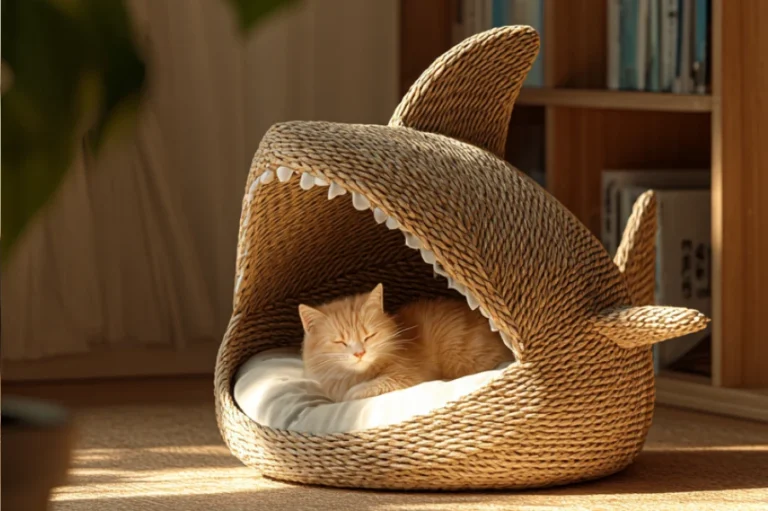
Sensory play can make the home feel more interesting without demanding constant energy. Dogs often enjoy new smells, safe textures, and different walking routes. Cats often enjoy boxes, paper tunnels, window views, scratching surfaces, and soft hiding places. Rotate sensory options so the environment stays fresh. A cardboard box can be exciting one week and disappear the next. A blanket with a familiar smell can comfort a nervous pet. A window perch can turn outdoor movement into safe entertainment. Use sensory games for pets carefully if your animal is sensitive. The Enrichment Toolkit for Your Furry Friend helps owners choose enrichment that feels supportive. Sensory variety should invite exploration, not overwhelm.
Enrichment is not only about tiring pets out. Some activities should help pets settle. Lick mats, safe chews, gentle scent searches, quiet window time, and slow food puzzles can all support relaxation. This is especially useful for pets who become overexcited easily. A dog who plays wildly may need more calming enrichment after active sessions. A cat who gets overstimulated during wand play may need a predictable ending routine. Use calm pet behavior strategies alongside active games. The goal is not exhaustion. The goal is emotional balance. Pets should finish many enrichment sessions feeling satisfied, not frantic. When enrichment includes calm options, the whole household benefits. Rest is part of a good enrichment plan.
Lasting dog and cat enrichment ideas depend on rotation, observation, and consistency. Keep a short list of favorite activities for each pet. Notice which games create calm focus and which create too much excitement. Rotate toys before they become boring. Refresh food puzzles with different safe textures or placements. Add indoor pet activities when outdoor time is limited. Use cat enrichment games and dog-friendly options in ways that respect each animal’s instincts. Add an enrichment schedule so the plan stays simple. With The Enrichment Toolkit for Your Furry Friend, owners can create daily routines that make pets happier, calmer, and more deeply engaged.

Leave a comment