Aging pets home adjustments can make daily life feel safer, softer, and less stressful for senior dogs and cats. Older pets often need more support than they show at first. Their joints may feel stiff. Their vision may change. Their energy may rise and fall throughout the day. A home that once felt easy can suddenly feel harder to navigate. The Gentle Home Adjustments for Aging Pets Guide helps pet owners notice those changes and respond with practical care. A senior pet home setup should feel calm, not complicated. A few thoughtful updates can protect comfort, confidence, and independence.
Older pets thrive when their environment supports their changing bodies. A slippery floor can make movement feel risky. A high bed can become difficult to reach. A cold resting spot can make stiffness worse. A loud room can increase anxiety. Aging pets home adjustments help reduce these small daily stress points before they become bigger problems. A senior dog comfort plan gives your pet a smoother routine. A senior cat comfort plan can also make daily movement feel easier. The goal is not to redesign your entire home. It is to remove friction from the places your pet uses most.
Mobility changes often appear gradually. Your pet may hesitate near stairs. They may avoid polished floors. They may move more carefully after naps. Start by improving traction in high-use areas. Add washable rugs where your pet walks often. Use non-slip mats near food bowls, beds, and doorways. Keep pathways clear of clutter. A pet mobility support approach can help older animals feel steadier. A safer home for pets also gives owners more peace of mind. For broader care planning, explore senior pet care guide ideas. Simple floor changes can make the whole home feel friendlier.
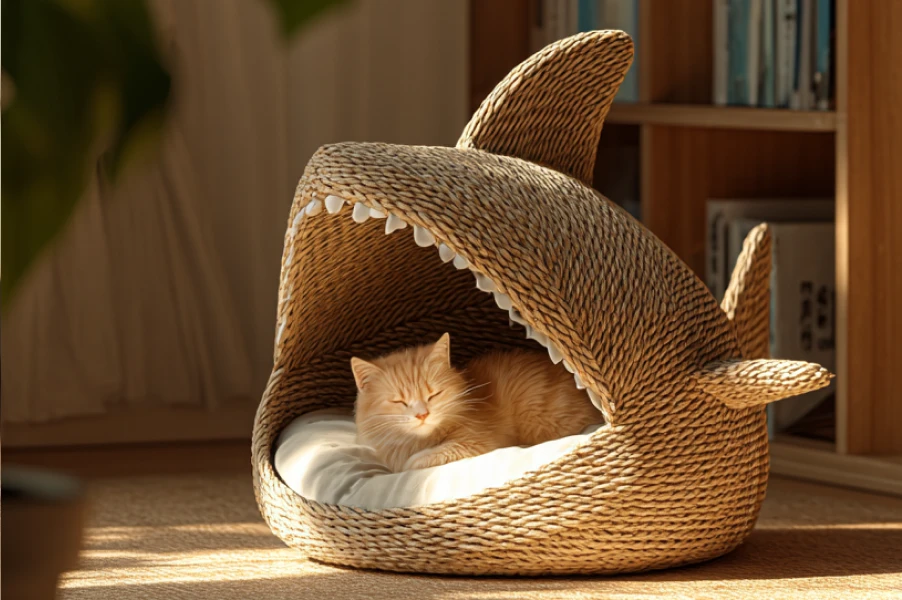
Rest becomes more important as pets age. Older dogs and cats may sleep longer, but they also need better support while resting. Choose beds with gentle cushioning and easy entry. Avoid placing beds in drafty corners. Keep one resting spot close to family activity and another in a quieter area. Aging pets home adjustments should protect both comfort and choice. A orthopedic pet bed setup can help reduce pressure on sensitive joints. A calm pet routine also helps older animals settle more easily. Rest spaces should feel predictable. Predictability creates emotional comfort. Comfort supports better daily behavior.
Daily essentials should never feel difficult for an aging pet. Move bowls to a place your pet can reach without slipping or climbing. Keep fresh water in more than one location. Raise bowls slightly if bending appears uncomfortable. Place litter boxes where senior cats can enter easily. Choose lower-entry options when mobility changes become obvious. A older pet care routine works best when basic needs stay simple. A gentle pet care guide can help owners check these areas with fresh eyes. For comfort-focused room planning, visit home comfort for aging pets. Small access changes often create major relief.
Older pets may feel less confident when their senses change. Vision changes can make shadows confusing. Hearing changes can make sudden touch startling. Cognitive changes can make familiar routines feel less secure. Aging pets home adjustments should include emotional comfort, not only physical support. Keep furniture placement consistent when possible. Use soft lighting near evening pathways. Speak before touching a sleeping senior pet. Keep favorite blankets and toys in familiar places. A senior pet safety checklist helps owners notice emotional triggers. A pet aging support plan should protect confidence. Calm rooms help older pets feel secure.
The best plan starts with observation. Watch how your pet moves after waking. Notice where they hesitate. Notice which rooms they avoid. Notice whether they prefer softer, warmer, or quieter spaces. The Gentle Home Adjustments for Aging Pets Guide gives owners a practical way to turn those observations into useful changes. Aging pets home adjustments do not need to feel expensive or overwhelming. They should feel compassionate, realistic, and easy to maintain. For more specific dog and cat routines, see senior dog and cat care. Choose the updates that solve real problems first. Your pet will feel the difference every day.



Leave a comment