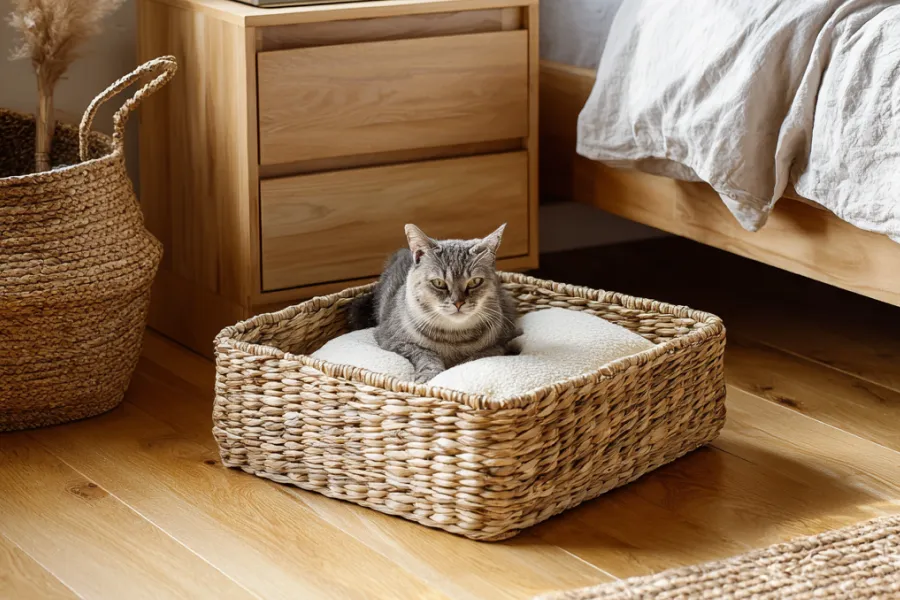
A senior pet care guide can help you support older dogs and cats with more confidence. Aging often changes the way pets move, rest, eat, and interact with the home. These changes may seem small at first. A dog may pause before jumping onto the sofa. A cat may stop using a favorite perch. A pet may sleep more deeply or avoid noisy rooms. The Gentle Home Adjustments for Aging Pets Guide helps owners respond with practical, gentle updates. A senior pet home setup makes care feel easier. A thoughtful routine protects comfort without making the home feel clinical or complicated.
Many pet owners feel unsure when their animal starts aging. They want to help, but they do not always know which changes matter most. A senior pet care guide gives that process more structure. It helps you look at floors, beds, food stations, bathroom areas, and emotional comfort. A senior dog comfort plan can reduce strain during daily movement. A senior cat comfort plan can protect independence as jumping becomes harder. These changes do not replace veterinary care. They support everyday life between appointments. Better home care helps pets feel understood. It also helps owners feel prepared.
Senior pets often communicate through habits. A new sleeping spot may reveal discomfort. A slower walk may show stiffness. A missed jump may suggest reduced confidence. A change in litter box behavior may point to access issues. Watch your pet during normal routines before changing everything at once. A pet mobility support plan should respond to what you actually see. A safer home for pets begins with noticing risk points. For specific home updates, visit aging pets home adjustments. Observation keeps your care personal. It prevents unnecessary changes and focuses your effort where it matters.
Safer movement is one of the most important priorities for older animals. Slips can make pets nervous. Falls can make them avoid important spaces. Stairs can become tiring. High furniture can become risky. Use rugs, ramps, lower beds, and clear paths to reduce strain. A orthopedic pet bed setup can also support rest after movement. A calm pet routine helps senior animals move without rushing. A senior pet care guide should make your home easier to navigate. The best changes feel invisible after a few days. Your pet simply moves with more confidence.
Older pets need rest spaces that support their bodies and emotions. A thin bed may no longer provide enough cushioning. A noisy room may interrupt recovery. A cold floor may increase stiffness. Create several rest options around the home. Place one bed near family activity and another in a quieter spot. Keep blankets clean and familiar. A older pet care routine should include daily comfort checks. A gentle pet care guide can help you evaluate each area. For more room-specific support, explore home comfort for aging pets. Rest areas are not decorative extras. They are part of senior pet wellness.
Food and water access can become more important with age. Some pets feel uncomfortable bending deeply. Some forget to drink when water sits too far away. Some cats avoid litter boxes that require stepping too high. A senior pet care guide should make these daily needs easier. Place water in more than one calm location. Keep bowls on stable, non-slip surfaces. Use low-entry litter boxes when needed. A senior pet safety checklist helps you review these basics regularly. A pet aging support approach works best when comfort is built into routine. Simple access changes can protect dignity.
Senior care works best when it grows with your pet. What helps this month may need adjustment later. Keep watching movement, appetite, rest, grooming, and confidence. Ask your veterinarian about sudden changes. Update the home gradually as needs become clearer. The Gentle Home Adjustments for Aging Pets Guide can help you build a care plan that feels warm and practical. A senior pet care guide should never make care feel overwhelming. It should help you choose the next best step. For species-specific ideas, see senior dog and cat care. With thoughtful support, older pets can enjoy a safer, calmer home.


Leave a comment